

Description
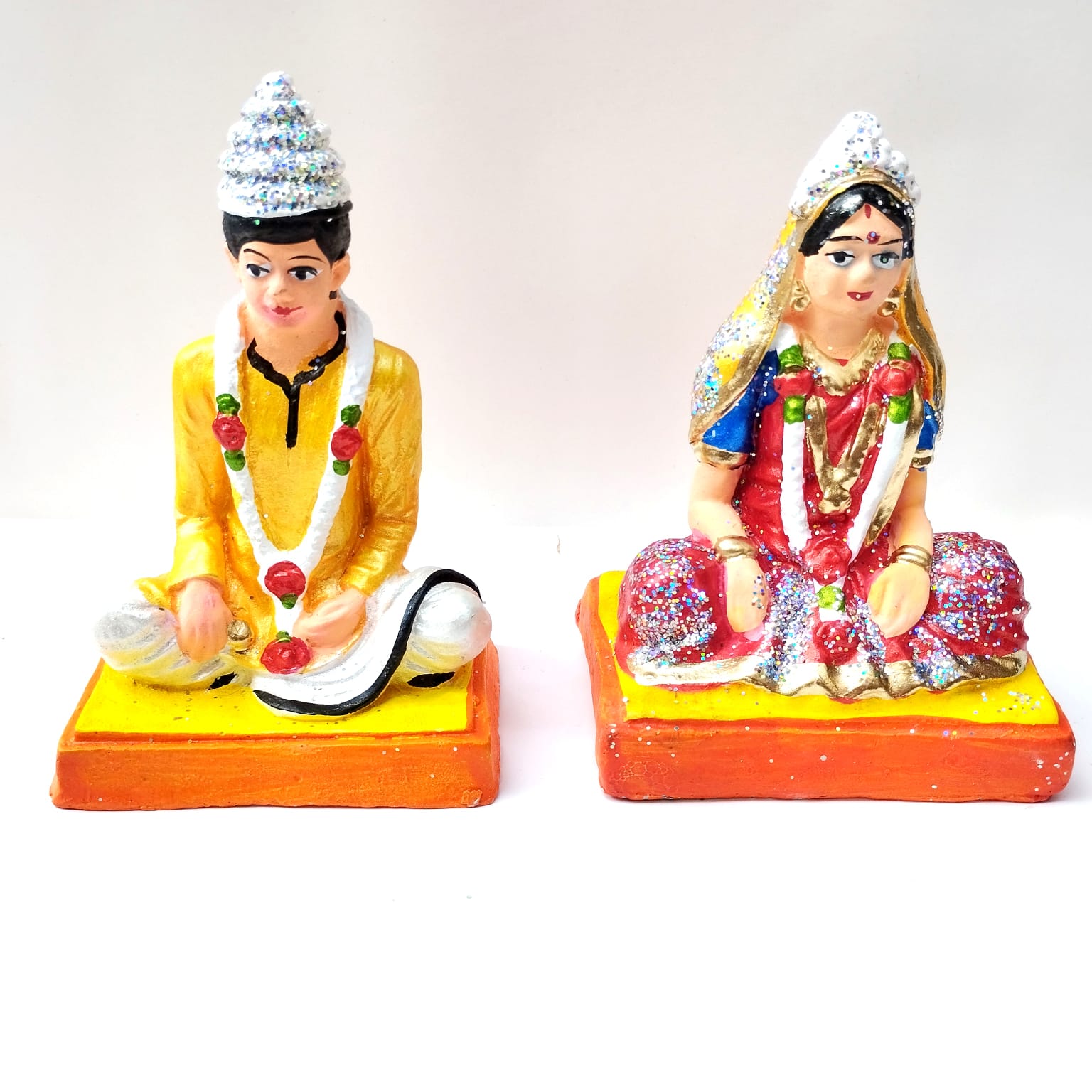
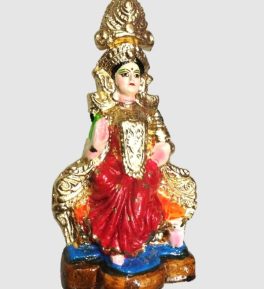
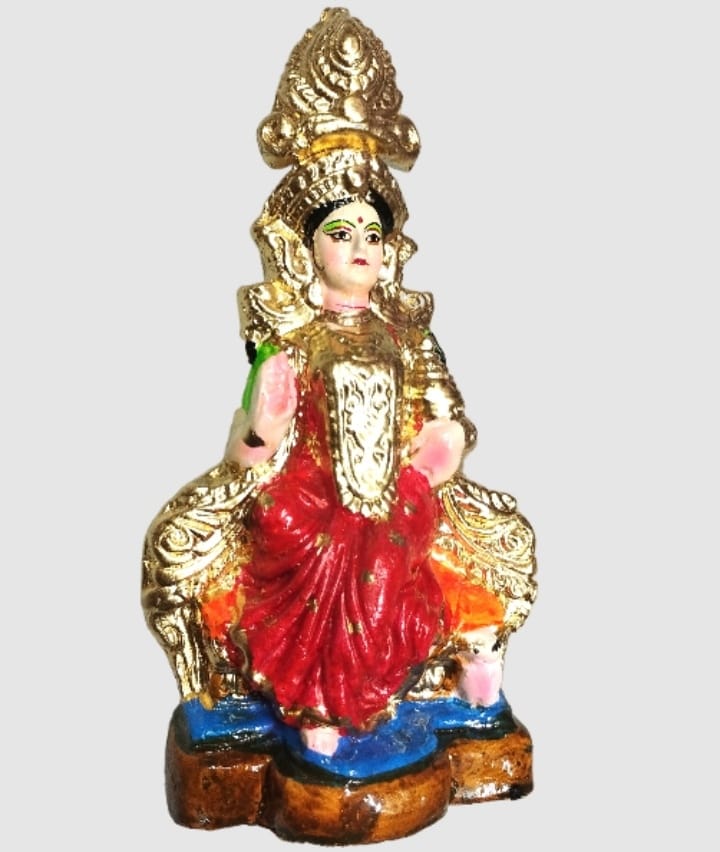
Golu Dolls (also known as Bommala Koluvu) are traditional dolls used in the Navaratri festival, particularly in Tamil Nadu, Andhra Pradesh, and Karnataka. The term “Golu” refers to the arrangement of these dolls in a decorative manner, typically placed on steps or shelves in homes during the festival. It is an important tradition in South India and holds cultural and religious significance.
Key Features of Golu Dolls:
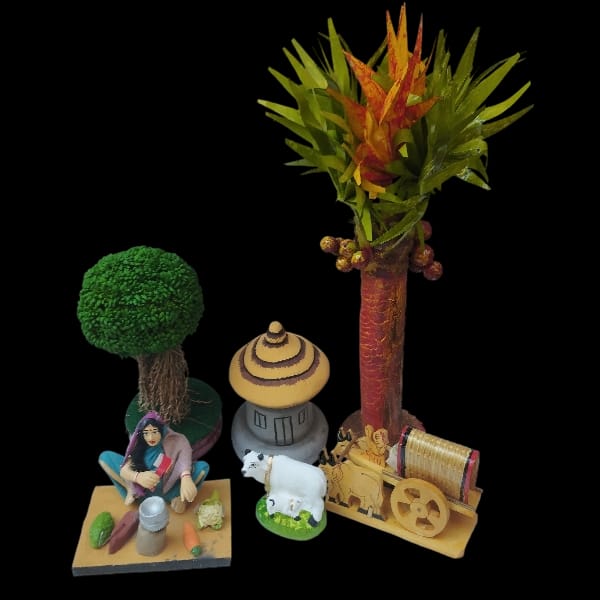
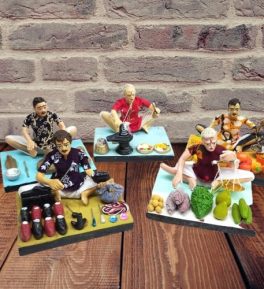
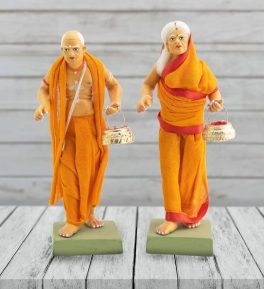
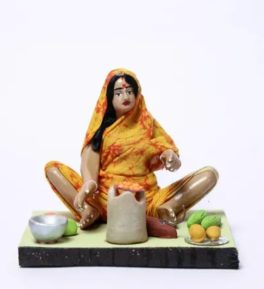
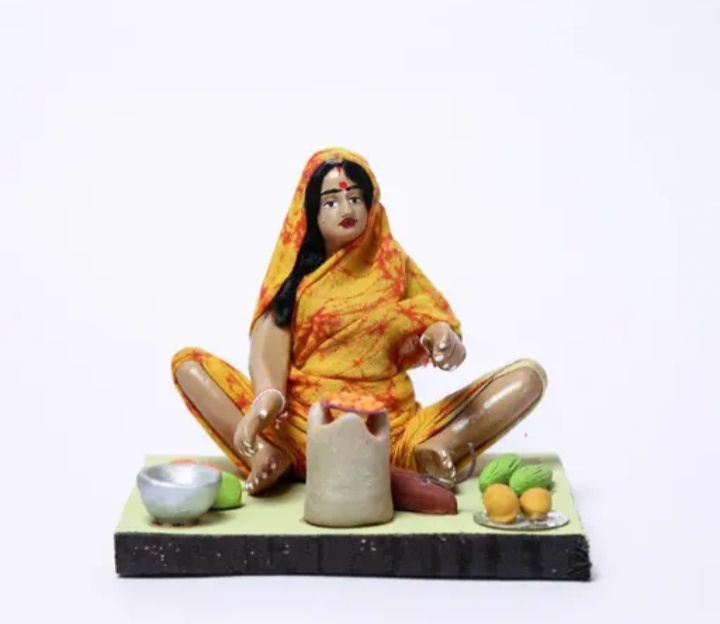
Theme and Figures: Golu dolls usually depict a wide range of characters from Hindu mythology, including gods, goddesses, sages, animals, and people performing various activities like dancing, playing musical instruments, etc. Some Golu dolls also represent scenes from everyday life, historical figures, or social activities.
Arrangements: The dolls are arranged on steps (often 3 to 9) to represent different themes. The arrangement itself is symbolic, and each level or tier is meant to symbolize various aspects of life or the universe. The dolls are traditionally placed in a sequence that tells a story or represents specific legends.
Materials: The dolls are often made from a variety of materials such as clay, wood, paper mache, and plaster. In the past, these dolls were handcrafted by artisans, while in modern times, mass-produced Golu dolls are also available.
Rituals: During the Navaratri festival, which celebrates the goddess Durga and her various forms, families set up a Golu display at home. Devotees offer prayers, sing devotional songs, and sometimes conduct small pujas (rituals) before the Golu dolls.
Cultural Significance: The Golu display is a way of honoring deities and showcasing South Indian art, culture, and traditions. It’s also a social occasion where families and neighbors visit each other’s homes to admire the Golu arrangements.






Reviews
There are no reviews yet.